Inspections
Should I get a pool barrier check before selling?
In short
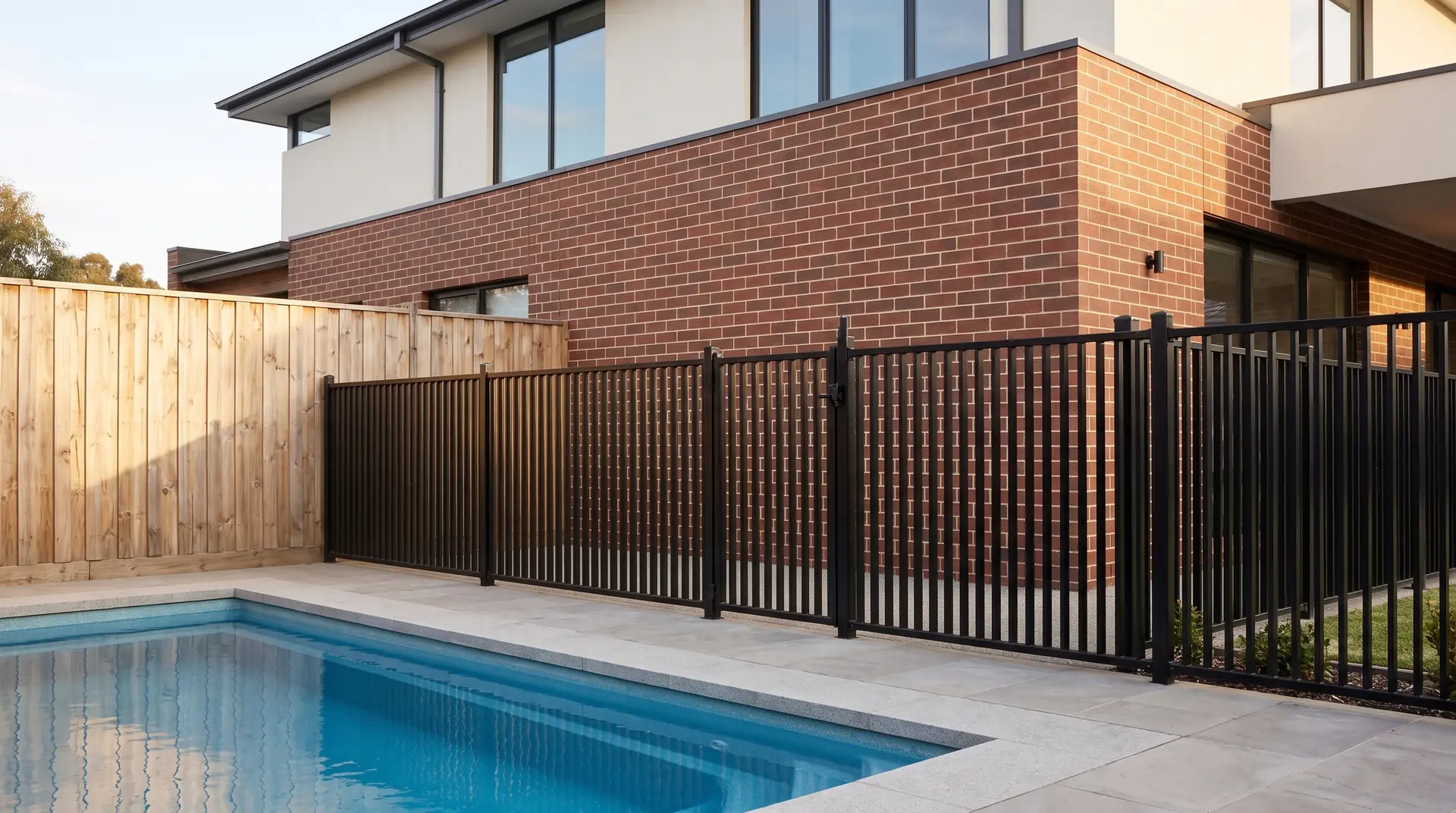
Yes, it is often worth it. Buyers and their conveyancers ask whether a pool or spa is registered and when the barrier was last certified, and an unresolved barrier problem can slow a sale. An independent barrier check describes the condition of the barrier and gates so you can fix items before the statutory inspection.
- Published
- Reviewed by
- VicWide
- Reading time
- 7 min read
- Topic
- Pools and fences
A pool or spa is a selling point right up until the moment a buyer's conveyancer asks for the registration and the latest barrier certificate. If the pool is not registered, or the certificate is overdue, or the gate has quietly stopped latching over winter, the sale slows down while the owner scrambles. An independent pool and fence/barrier inspection before you list is a way to find those problems while they are still yours to fix on your own timetable.
This guide covers why sellers ask, what buyers want to see, what the check looks at, what commonly needs fixing, and when to book. It assumes you already know the basics of registration and certification; if not, our pillar on pool and spa barrier requirements in Victoria and the guide on registering a pool or spa with council are the places to start.
Why do sellers ask about the pool barrier?
In Victoria, pools and spas are subject to registration with your council and to periodic inspection and certification of the safety barrier. Those requirements generally sit with the owner, and they do not pause because a property is on the market. A home with a pool is sold with the pool's paperwork, or without it, and buyers notice which.
Sellers tend to ask about the barrier for three reasons. They have received a council letter about certification and want to understand it before the sale. They want to know the barrier's condition before a buyer's own inspector points out the problems. Or they have never looked closely at the barrier and would rather find out now than at the statutory inspection. In each case the goal is the same: no surprises between listing and settlement.
What will buyers and their conveyancers ask for?
Expect questions in roughly this order:
- Is the pool or spa registered with the council?
- When was the barrier last certified, and when is the next certificate due?
- Is there a current certificate, and can we see a copy?
- Was the pool or spa built with a building permit, and is there an occupancy permit or final certificate for it?
- Has anything about the barrier changed since the last certificate, such as new decking, landscaping, a pergola or a replaced fence?
Your conveyancer or lawyer tells you what has to go into the vendor's statement and how to answer. If the paperwork is scattered, our property paperwork service can help you work out what you have, what is missing and who might hold it, which is often the council for the registration and the building surveyor or installer for the permit.
Buyers also arrange their own inspections. Our pillar on inspections before buying a home in Victoria shows what they tend to ask for, and a pool is high on that list.
What does an independent barrier check look at?
The check is a visual inspection of the barrier as it stands on the day. We look at:
- The barrier panels, posts and fixings, including any that are loose, rusted, rotten or bent.
- Gaps at the base, between panels and around posts.
- Barrier height, and anything that reduces it, such as built-up garden beds, decking or paving.
- Gates, including which way they open, whether they self-close and self-latch, and the condition of hinges and latches.
- Walls, windows and doors that form part of the barrier, where relevant.
- Objects near the barrier that could make it easier to climb: pool pumps, planters, furniture, trees, retaining walls, air conditioning units and the like.
You receive a written summary of what was observed, with photos, a plain explanation of the items you may want to address, guidance on the registration and certification requirements that may apply, and clear next steps. The guide on what a pool barrier inspection involves walks through the visit in more detail.
What commonly needs fixing before a sale?
Some items come up again and again, in homes of every age:
- A gate that swings shut but does not latch, or latches only when pushed. Hinges sag, latches wear and gates drop over time.
- A gate propped open by a brick, a hose or a habit.
- Garden beds, mulch or paving built up against the outside of the barrier, which lowers its effective height.
- Furniture, pot plants, a pool pump or a bin stored against the outside of the fence.
- A tree or shrub grown into a climbing aid.
- Gaps opened up by soil movement under a fence, or by a panel that has shifted.
- A new deck, pergola or shed built close to the barrier without anyone thinking about the barrier.
- A house door or window that opens into the pool area and has never been treated as part of the barrier.
Most of these are quick to fix once they are identified, and that is the point of checking before you list rather than after a buyer's inspector has written them up. Which requirements apply to your pool can depend on when it was built, and the council confirms that.
When should you book it, and what happens next?
Book before the property is photographed and listed, if you can. That gives you time to fix items, arrange the statutory inspection and certificate if one is due, and have the paperwork ready for the first open inspection. If you are already on the market, book as soon as possible; a report in hand lets you answer buyers' questions with facts rather than reassurance.
Tell us the address, roughly when the pool or spa was built, whether it is registered, and any dates you are working to, such as the listing date or the auction. Have any previous certificates, council letters and installation documents ready. Make sure every gate to the pool area and any side gates can be reached and opened, and secure pets.
After the check, fix the items on the list, or have the right trade do it. Then, if a statutory inspection or certificate is required, tell us when you enquire and we will let you know whether we can help, or who can carry it out or issue it. Keep the certificate with the property's papers and give your conveyancer a copy.
What does the check not do?
An independent barrier check describes the barrier's visible condition at the time of the inspection. It is not a barrier certificate, it does not decide whether the barrier meets the requirements, and it does not replace the statutory inspection or the council's process. Barriers and gates change with wear and use, so the condition on the day is what the report records.
It is also not a general building inspection of the home, and not legal advice about what you must disclose. For the sale itself, speak with your conveyancer or lawyer. For the rest of the home, a building and pest inspection before listing is a separate decision.
If a pool gate does not close and latch on its own, or the barrier is damaged, keep the pool area out of reach of young children and supervise closely until it is fixed. Then tell us about your property. We will help with the next step: call or WhatsApp 0406 194 163, or send an enquiry and we will come back to you.
Sources and authorities
These public sources set out the requirements this guide refers to. They are the places to confirm what applies to your pool or spa; we help you understand and prepare for them.
- Building and Plumbing Commission: Victoria's building regulator, with guidance on pool and spa registration, barrier requirements and certification.
- Consumer Affairs Victoria: consumer guidance on selling a home in Victoria and the vendor's statement.
- Your local council: registration, barrier inspection cycles and certificates for the pool or spa at your property.