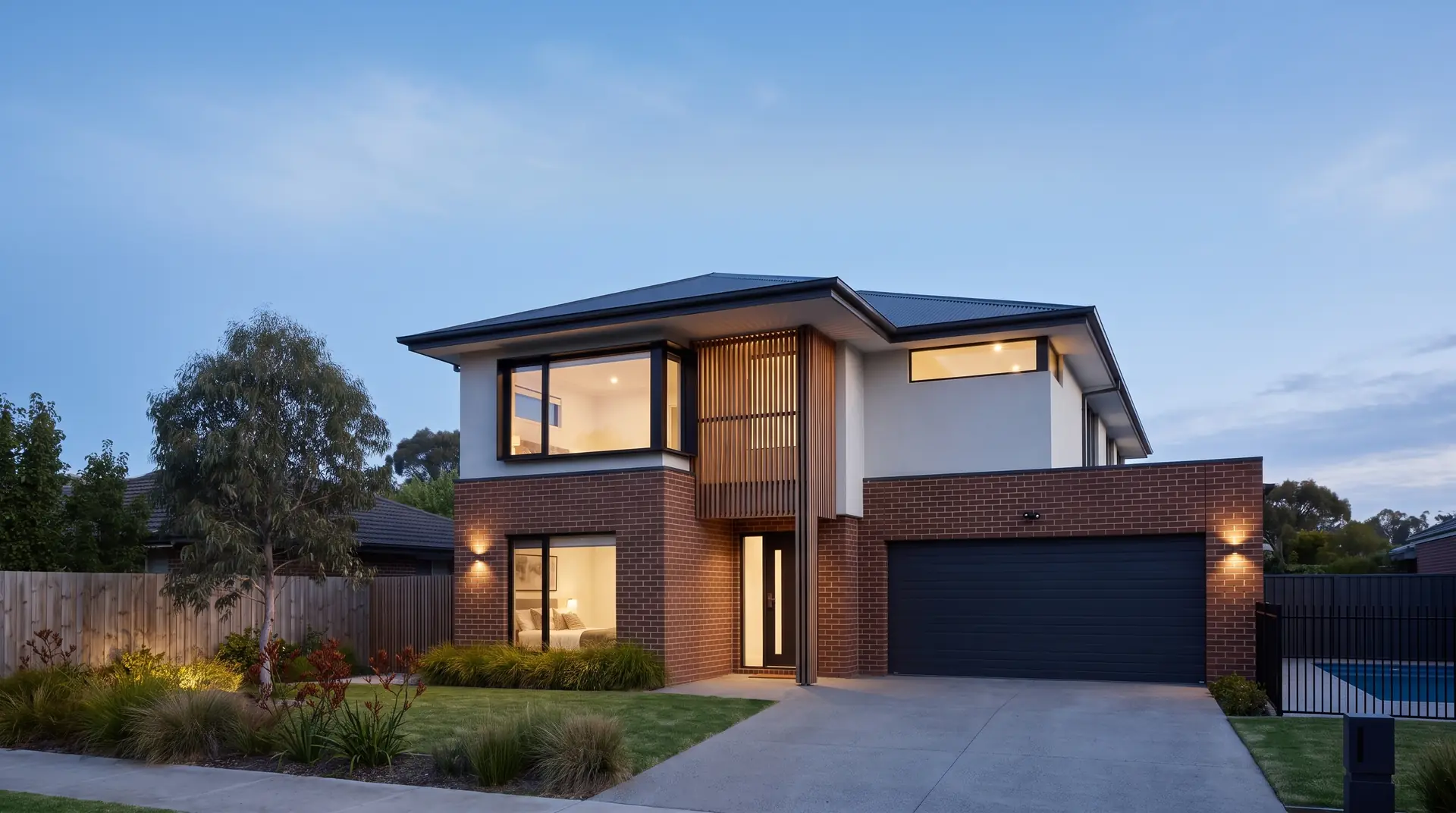
Buying a home is often the largest purchase a household makes, and most of the home cannot be judged at an open inspection. An independent inspection is how buyers find out what is visible beneath the presentation, before they commit. This guide sets out which inspections buyers in Victoria commonly arrange, when each one happens and what the reports can and cannot tell you.
It is the starting point for our buying guides. Each section points to a more detailed guide or service page where you want the detail.
Why inspect before you commit?
A home for sale is presented to look its best. Fresh paint, a cleared garden and a well lit open inspection show you the layout and the finish, not the roof space, the subfloor or the state of the timber behind the skirting boards. An independent inspection you commission is often the only look you get at those areas before settlement.
The report does not decide for you. It describes what was visible on the day, lists what could not be reached and points out items worth a closer look. You read it with your conveyancer or lawyer, ask the agent or the vendor about anything unclear, and make your own decision about whether to proceed and on what terms.
One distinction matters from the start. An independent inspection is separate from any statutory inspection carried out by, or on behalf of, the relevant building surveyor under a building permit. It is not an approval, a certificate or a compliance check. It is your own information.
What does a pre-purchase inspection look at?
A pre-purchase inspection is a visual, non-invasive look at the accessible areas of a house, townhouse or unit, together with visible signs of timber pest activity. It usually covers:
- The interior: walls, ceilings, floors, windows, doors and wet areas.
- The exterior: cladding, brickwork, roofing as seen from the ground or a ladder, gutters, eaves and external joinery.
- The roof space and subfloor, where there is safe and reasonable access.
- Visible signs of cracking, movement, water entry or decay.
- Visible signs of timber pest activity, and the conditions that make it more likely, such as moisture, poor ventilation or timber in contact with soil.
- Site elements close to the home, such as paths, retaining walls, fences and outbuildings, as agreed in the scope.
Nothing is opened up, no fittings are removed and nothing is tested. Areas that are concealed, obstructed or unsafe to reach are listed as limitations, and defects may exist there. Timber pest activity can be hidden, so a report cannot confirm that a home is free of timber pests.
If you already own the home, the same inspection is our building and pest inspection. The approach is identical; only the starting point changes.
When should the inspection happen?
Timing depends on how the home is being sold.
An auction purchase is usually not conditional on an inspection, so buyers inspect before auction day. That means arranging access through the selling agent in the lead-up to the auction and reading the report in time to decide whether, and how far, to bid.
In a private sale, buyers often inspect before signing, or sign a contract that is subject to a satisfactory inspection. Some private sales also have a cooling-off period. Whether a condition or a cooling-off period applies to your purchase, and what it allows you to do, is a question for your conveyancer or lawyer. We work around the dates they give you.
Whichever route you take, tell us your key date when you enquire, and ask the agent early whether the roof space, the subfloor, the meter box and any sheds can be opened on the day. Those access points make the biggest difference to how much of the home we can see.
Buying an apartment, a unit or a block of land: what changes?
An apartment or unit
An apartment, unit or townhouse in a plan of subdivision comes with an owners corporation, the body that manages the common property and keeps the building's records. You are buying a lot, but you are also buying into the building.
A strata and owners corporation report covers the lot you are looking at, the common property you can reach on the day, and help reading the owners corporation papers for building-related points. It is not legal or financial advice and it does not assess the levies or the finances; those questions go to your conveyancer, lawyer or accountant.
Our guide on what to know before buying an apartment or unit in Victoria covers the whole picture, including what a strata report looks at and what it leaves out.
A block of land or a home on acreage
A vacant block has no building to inspect, but it has plenty to look at: the slope and drainage, retaining walls, fences, access, services, vegetation and what sits next door. A land and property inspection records the visible site features and surrounds before you buy or build.
Two kinds of land raise their own questions. In growth areas on the city's edges, buyers ask about soils, drainage and the state of fences and retaining walls in a new estate. On acreage and semi-rural property, water supply, septic systems, sheds, dams and access can all apply. Planning overlays, including bushfire and flood related overlays, can change what is permitted on a block, and your council confirms which ones apply.
Which specialist inspections might you add?
Many buyers start with the pre-purchase inspection and add a specialist look only where something specific comes up.
- Structural. Cracking, sagging floors or doors that no longer close can be signs of movement. Soils across parts of Melbourne are reactive clay that moves with moisture, which is one common cause. A structural inspection takes a closer look and says plainly when a structural engineer is needed.
- Asbestos. Many homes built before about 1990 may contain materials with asbestos. An asbestos inspection identifies materials that may contain it; only laboratory testing of a sample confirms what a material contains.
- Mould. Visible mould and signs of moisture, with likely causes and practical next steps. A mould inspection is not a health assessment; health questions go to a doctor.
- Pool and spa barriers. Pools and spas in Victoria have registration and barrier requirements, which you confirm with your council. A barrier inspection explains what applies to the property.
- Heritage homes. A period home under a heritage overlay can carry many decades of repairs and additions, and external changes may need a planning permit. The inspection is the same; the questions you ask the council afterwards are different.
Can you rely on the vendor's report, or skip the inspection?
Some vendors supply a building report with the sale. It can be useful background, but it was commissioned by the seller, to the seller's brief, and you may not be able to ask its author questions in the way you can ask us. Many buyers read it and still arrange their own inspection. The choice is yours.
Buying without any inspection is possible, and some buyers do it when competition is strong. The trade-off is that you take the home as it is, with no independent record of what was visible before you committed. If you are weighing that up, tell us your situation and timing and we will explain what could be arranged.
The vendor's statement is a different document again. It accompanies a sale in Victoria and contains information a buyer should read with their conveyancer or lawyer before signing. It is not an inspection report.
How do you choose an inspector and what should you ask?
Whoever you choose, a few questions before booking tell you most of what you need:
- What does the inspection cover, and what is excluded?
- Are the roof space and the subfloor included where access allows?
- Does the report include photos and a list of areas that could not be inspected?
- Can I talk to the inspector afterwards and ask what an item means?
- Can the inspection be arranged around my auction or contract date?
We answer each of those in plain language when you enquire, and we confirm the scope and provide a quote before anything is booked. Bookings are requests until we confirm them.
How do you read the report, and what does it not cover?
Start with the scope and the list of limitations. Then read the observations area by area. Some items are routine maintenance for a home of that age. Others deserve a closer look by a specialist, such as a structural engineer, a licensed plumber or a licensed electrician, before you decide.
A report that lists items is normal. What matters is what the items mean. Ask us to explain anything unclear. Then take the report to your conveyancer or lawyer, who can advise on what it means for the contract, and to the agent, who can put questions to the vendor.
The report is not a valuation, and we do not advise on whether to buy or what to pay. If an extension or renovation looks as though it may have been done without a permit, an inspection cannot confirm that either way. Our documentation assistance service explains which documents to ask for and who usually holds them.
Every inspection in this guide is visual and non-invasive, and every report describes what was visible at the time of the inspection. None of them is a warranty, an insurance policy, a certificate of compliance or a statutory inspection. None can see behind walls, under floor coverings or into locked or unsafe areas. Conditions change after the inspection, and timber pest activity can begin or become visible later.
Knowing those edges is part of using the report well. The inspection reduces what you do not know about the home; it does not remove it.
Where do you start?
Tell us the address, the type of home, how it is being sold and your key date. We will confirm which inspection fits, agree the scope and provide a quote. We serve Melbourne and surrounds from our office in Bannockburn; our listed suburbs are on the service areas page, and coverage beyond them is confirmed per enquiry. Not sure which inspection you need? Ask us on 0406 194 163 or send an enquiry and we will come back to you.
Sources and authorities
- Building and Plumbing Commission: Victoria's building regulator, with consumer guidance on building work, building permits and what building surveyors do.
- Consumer Affairs Victoria: consumer guidance on buying a home in Victoria, including the vendor's statement.