Skip to content
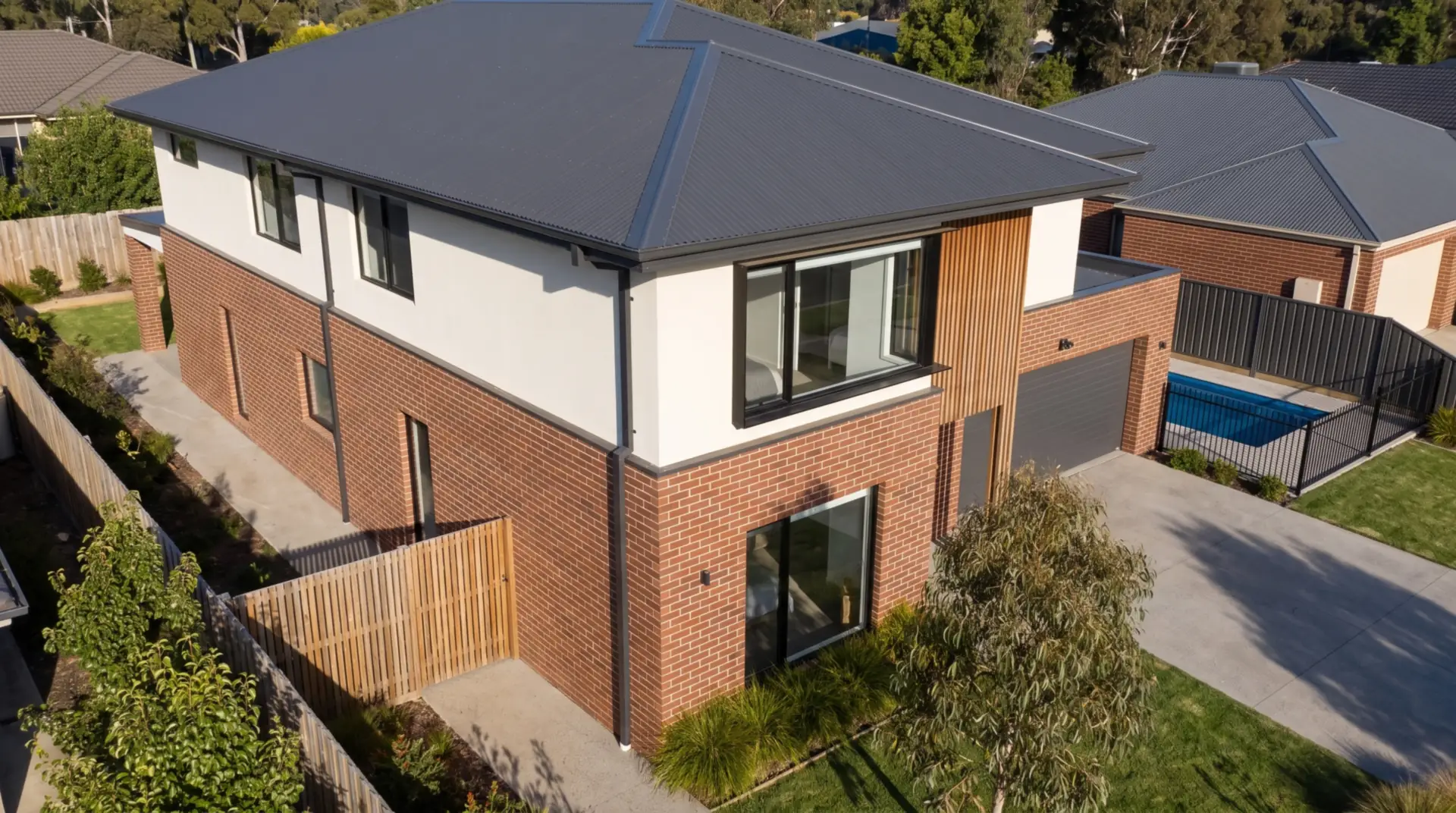
Illustration: the roof, gutters, brick walls and fences of a two-storey home, areas a building and pest inspection looks at

Buying & owning

Building & pest inspections

An independent, visual inspection of a home you already own in Melbourne, covering its accessible areas and visible signs of timber pest activity. Buying a home? Choose a pre-purchase inspection: the same approach, set up around your purchase.

Illustration. Not an actual property or real inspection work.

Who is it for?

  • Owners who want a general condition check, for example before renovating or selling.
  • Investors checking the condition of a property they already own.
  • Owners with a specific concern about condition or possible timber pest activity.
  • Buying a home? Choose a pre-purchase inspection instead. It takes the same approach, set up around your purchase and key dates.

What does it cover?

  • Accessible areas of the home's interior and exterior, including walls, ceilings, floors, windows and doors.
  • The roof space and subfloor, where there is safe and reasonable access.
  • Visible signs of timber pest activity, such as termites, borers and wood decay.
  • Conditions that can make timber pest activity more likely, such as excess moisture or timber in contact with soil.
  • Visible signs of cracking, movement or water entry.
  • Site elements close to the home, such as paths, retaining walls, fences and outbuildings, as agreed in the scope.

What do you receive?

You receive
  • A written report describing what was observed at the time of the inspection.
  • Photos supporting key observations.
  • A clear list of areas that couldn't be inspected, and why.
  • Items you may want to attend to, or have a specialist look at, noted in plain language.
  • A plain-language explanation from VicWide, with the chance to ask questions.

How do you prepare?

  1. If the home is rented out, arrange access with your property manager or renter, with proper notice, and confirm keys and entry times.

  2. Make sure the roof space access, subfloor access, meter box and outbuildings can be reached.

  3. Secure pets and let us know about any safety concerns on site.

  4. Share anything you already know, such as previous reports or recent building work.

  5. Tell us the main question you want the inspection to help you answer.

Good to know

Where do we offer building & pest inspections?

We offer building & pest inspections across Melbourne. The suburbs below each have their own page. Other suburbs and surrounds are confirmed per enquiry.

All suburbs we list

Questions about building & pest inspections

Can’t see your question? Send an enquiry and we’ll come back to you.

More detail

More about building & pest inspections

How it works

Tell us about the property, what you're deciding and any concerns you have. We'll confirm the scope and provide a quote, then arrange a time that works for access. On the day, accessible areas are inspected visually, with photos taken to support key observations. You then receive a written report, and we can walk you through it.

If you're buying, choose pre-purchase inspections instead. They take the same approach, set up around your purchase and key dates.

What this inspection is and isn't

It is an independent look at the visible condition of a home, and for visible signs of timber pest activity, that you commission for your own information. It isn't a statutory inspection for a building permit, a structural engineering assessment, or a promise that the property is free of defects. It can't see behind walls, under floor coverings, or into areas that are closed off or unsafe to reach.

Where an observation raises a question outside the scope (for example, a structural, plumbing or electrical concern), the report can recommend further investigation. We can suggest the type of specialist to speak with.

After the inspection

Start with the scope and limitations, then read the observations area by area. If anything is unclear, ask us. Keep in mind that the report describes the property at the time of the inspection. Conditions can change afterwards, and timber pest activity in particular can start or become visible later.

Sources and authorities

These public sources set out the requirements this page refers to. They are the places to confirm what applies to your property; we help you understand and prepare for them.

Learn with VicWide

Understand more before you decide.

Plain-language summaries you can read now. General information only, not advice about a specific property.

Showing 3 topics

  • Inspections

    Which inspection do I actually need?

    Pre-purchase, strata, new-build and specialist inspections each suit a different need: buying a house or an apartment, building, or looking into a concern such as cracking, damp or older materials. This topic explains what each type looks at, when people usually arrange it, and how to describe your situation so we can suggest the right scope.

    Key points 7
    • Buying a house: a pre-purchase inspection looks at its visible condition and for signs of timber pest activity. For a home you already own, choose building and pest.
    • Buying an apartment, unit or townhouse: a strata report covers the lot and the common property you can access, with help reading the owners corporation papers.
    • Building: independent stage and handover inspections are checks you choose, separate from the mandatory inspections for the building permit.
    • A specific concern: structural, mould and asbestos inspections look at visible cracking or movement, visible mould and signs of moisture, or materials that may contain asbestos.
    • Pools and land: pool barrier inspections focus on the barrier, gates and fences. Land inspections look at the block, its site features and its surrounds.
    • Before nearby works: a dilapidation report is a dated, photo-supported record of visible condition.
    • If you're unsure, describe the property and the decision you're facing, and we'll help you choose.

    Related service: Pre-purchase inspections

  • Inspections

    What should I do before the inspection?

    Good access makes for a more complete inspection. This topic covers arranging keys and permission, clearing the way to key areas, and gathering documents that help explain the property.

    Key points 5
    • Confirm access with the owner, agent or renter, and arrange keys ahead of the day.
    • Make sure the roof space access, subfloor access, meter box and outbuildings can be reached.
    • Secure pets and mention anything that could affect safe access.
    • Have plans, permits, certificates or previous reports ready to share.
    • Areas that can't be reached safely are recorded as limitations in the report.
  • Inspections

    How do I read an inspection report?

    An inspection report records what was observed at the time of the inspection, where it was observed, and what couldn't be inspected. This topic walks through a typical report structure and how to use it when you talk with builders, agents or other advisers.

    Key points 5
    • A report describes observations at the time of the inspection. Conditions can change afterwards.
    • Read the scope and limitations first, so you know what was and wasn't inspected.
    • Observations are grouped by area, so you can find what matters to your decision.
    • A report is not a certificate of compliance, a warranty or an insurance policy.
    • If something isn't clear, ask us to explain it in plain language.

    Related service: Compliance & reporting

Ready when you are

Enquire about building & pest inspections

Tell us about the property. We confirm the scope and a quote with you before anything is arranged.

Reviewed by VicWide. Last updated .

Guides

Read before you decide.

All guides
  • Inspections

    What is a building and pest inspection and when do you need one?

    A building and pest inspection is an independent, visual look at the accessible areas of a home and at visible signs of timber pest activity, written up in a photo-supported report. Owners arrange one before renovating or selling, or when something worries them. Buyers choose the pre-purchase version, the same approach set up around their key dates.

    Published
    Reading time
    10 min read
  • Inspections

    How to prepare a property for a building and pest inspection

    Open up the access points, move stored items away from walls, secure pets, and have any previous reports and details of recent work ready. The more of the home we can see, and the more context you give us, the more useful the report is.

    Published
    Reading time
    8 min read