Inspections
Do I need to register my pool or spa with council?
In short
In Victoria, pools and spas are subject to registration with your council, along with periodic inspection and certification of the safety barrier. Your council confirms whether your pool or spa needs to be registered, the deadline and the process. We help you understand what applies and check the barrier's condition before the statutory steps.
- Published
- Reviewed by
- VicWide
- Reading time
- 7 min read
- Topic
- Pools and fences
Many owners find out about pool and spa registration the hard way: a letter from the council, a question from a buyer's conveyancer, or a property manager asking for a certificate. The underlying rule is simple to state, even though the detail belongs to your council. In Victoria, pools and spas are subject to registration with your council, along with periodic inspection and certification of the safety barrier.
This guide explains what registration means, which pools and spas may be covered, how to register, what follows and how an independent pool and fence/barrier inspection fits around the statutory steps. For the full picture of barrier requirements, start with our pillar on pool and spa barrier requirements in Victoria.
What does registering a pool or spa mean?
Registration puts your pool or spa on your council's register. The council records the property, the pool or spa and, typically, when it was built or installed. That installation date matters, because the barrier requirements that apply to a pool can depend on when it was built. The council can use the register to tell owners which requirements apply and to track the periodic barrier certification that follows.
Registration is not the same as a barrier certificate, and it is not the same as a building permit for the pool. A new pool or spa usually needs a building permit before it is built, which is issued by a building surveyor; our permit help service and the pillar on which permits building work needs in Victoria explain that side.
Registration happens once the pool or spa exists, and the barrier certification cycle continues for as long as it does.
Which pools and spas may need to be registered?
The requirements generally turn on whether a pool or spa can hold water above a certain depth, rather than on how permanent it is. That means in-ground and above-ground swimming pools, spas and hot tubs are commonly covered, and some inflatable and relocatable pools can be as well. Indoor pools and spas can be included. We deliberately do not quote the depth or the categories here, because your council applies the current rules and they are the ones that count.
If you are unsure, the answer is a phone call or a web form to your council. Give them the address and a description of the pool or spa, including whether it is in-ground, above-ground, inflatable or a spa, and roughly when it was installed. They will tell you whether it needs to be registered and what the next step is.
How do you register, and what does the council need?
Each council runs its own process, usually a form on its website; the council tells you what it needs and whether a fee applies. Commonly, the council asks for:
- The property address and owner details.
- The type of pool or spa.
- When it was built or installed, if known, or any evidence that helps date it, such as the building permit, the occupancy permit or the installation receipt.
- Information about the barrier, where the council asks for it.
If you do not know when the pool was built, say so. Councils have ways of dealing with pools of unknown age, and the date they settle on affects which barrier requirements apply. Our property paperwork service can help you look for the permit and installation records that date a pool, and work out who might hold them if you do not.
Once the registration is accepted, the council can tell you which barrier requirements apply to your pool or spa and when the first barrier certificate is due. Keep that correspondence with the property's papers.
What happens after registration?
Registration starts the periodic cycle of barrier inspection and certification. At each cycle, the barrier is inspected through the statutory process by someone authorised to do it, against the requirements that apply to that pool. The council's process sets out what happens next, including what is lodged with the council and what an owner must do if the barrier needs work before a certificate can follow.
Your council confirms the current cycle, the deadlines and the process for lodging. The timing can depend on when the pool was registered and on any extension the council may have granted, so rely on the council's letters and website rather than on what a neighbour was told.
The statutory inspection and the certificate are not something we provide. If you need the statutory inspection or the certificate, tell us when you enquire and we will let you know whether we can help, or who can carry it out or issue it.
How does an independent barrier inspection fit in?
An independent barrier inspection from us is separate from the statutory process. It is a visual inspection you commission for your own information, describing the condition of the barrier, the gates and anything nearby that affects it, so you know what to fix before the statutory inspection happens. Owners use it to find items before the statutory inspection, and to understand the requirements in plain language first.
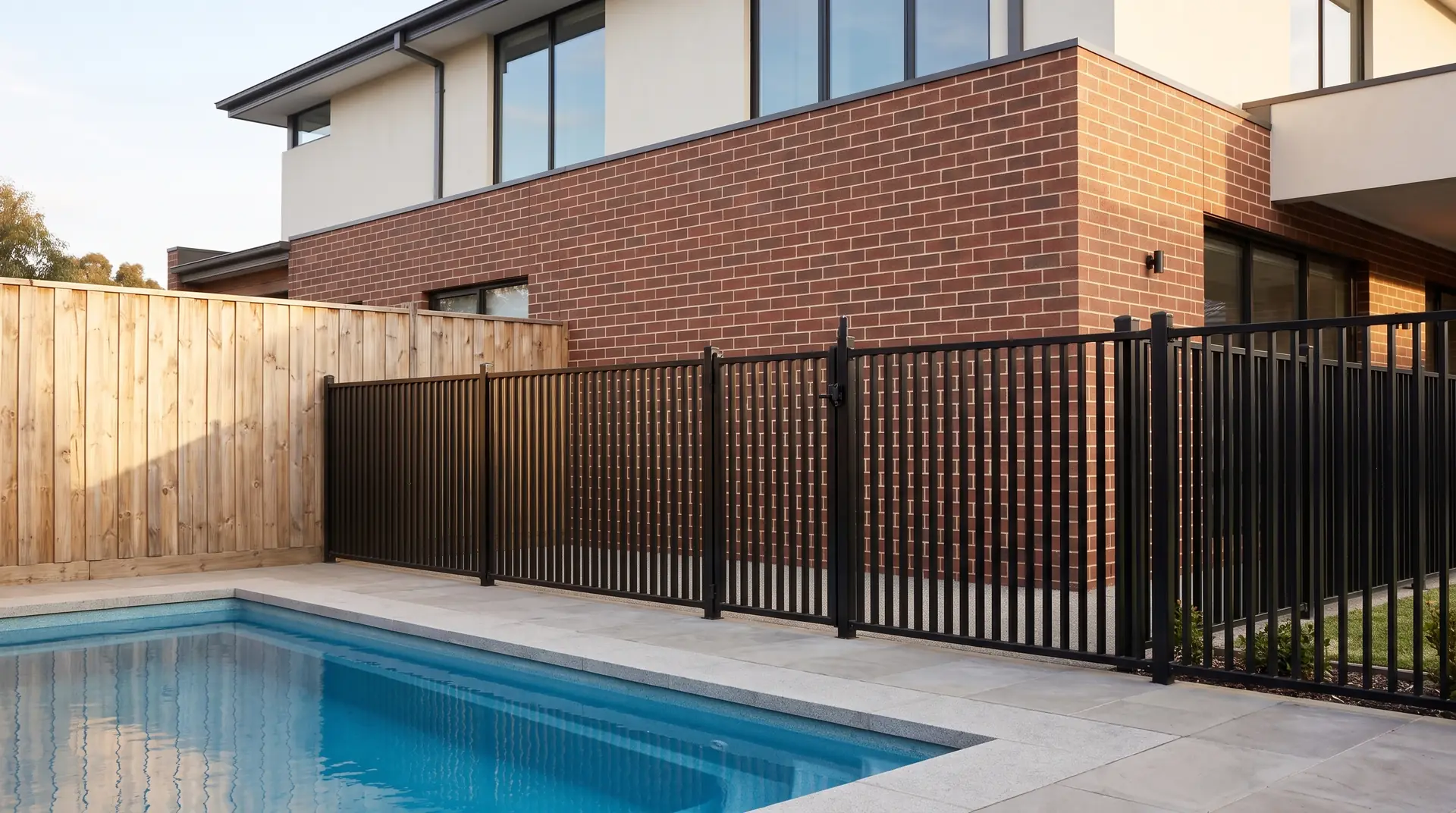
We look at the barrier panels, posts and fixings, gaps and height, gates and whether they self-close and self-latch, walls, windows or doors that form part of the barrier, and nearby objects that could make the barrier easier to climb. You receive a written summary with photos, the items you may want to address and the next steps. Our guide on what a pool barrier inspection involves walks through the day.
The report describes what was observed at the time of the inspection. It is not a barrier certificate, and it does not decide whether your barrier meets the requirements; that decision sits with the statutory process. Barriers and gates also change with wear and use, so a barrier that was fine last summer can need attention this one.
What if you are buying, selling or renting out a home with a pool?
If you are buying, ask whether the pool or spa is registered and when the last barrier certificate was issued, and read what the vendor's statement says with your conveyancer or lawyer. If you are selling, expect those questions from buyers, and have the registration and the latest certificate ready. The pillar explains the requirements.
If you are a rental provider (often called a landlord), registration and barrier certification generally sit with you as the owner, and your property manager will usually want copies of the certificate for the file. Rental properties also have their own safety related checks, and the relevant authority or your property manager confirms the current requirements and timing.
If a pool gate does not close and latch on its own, or the barrier is damaged, keep the pool area out of reach of young children and supervise closely until it is fixed. Then tell us about your property. We will help with the next step: call or WhatsApp 0406 194 163, or send an enquiry and we will come back to you.
Sources and authorities
These public sources set out the requirements this guide refers to. They are the places to confirm what applies to your pool or spa; we help you understand and prepare for them.
- Building and Plumbing Commission: Victoria's building regulator, with guidance on pool and spa registration, barrier requirements and certification.
- Your local council: registration, barrier inspection cycles and lodging certificates for pools and spas at your property.