Specialist inspections
Should I get a mould inspection before buying a home?
In short
It is worth it when you noticed signs of mould or moisture at the open inspection, when damp is common in that kind of home, or when a pre-purchase report flagged moisture. A mould inspection looks for visible mould and the moisture that feeds it and explains likely causes; it is not a health assessment and cannot see inside walls.
- Published
- Reviewed by
- VicWide
- Reading time
- 7 min read
Mould at an open inspection is easy to miss and easy to hide. A musty smell in a back bedroom, a dark line along a window frame, a bathroom ceiling painted a little too recently. Buyers notice these things and then wonder whether they matter. This guide explains when a mould inspection is worth arranging before you buy, how it fits with a pre-purchase inspection, and what the report can and cannot tell you.
It sits within our wider guide on the inspections you need before buying a home in Victoria. A mould inspection is one of the specialist looks you add when something specific has caught your eye.
When is a mould inspection worth it before you buy?
Three situations make it worth arranging.
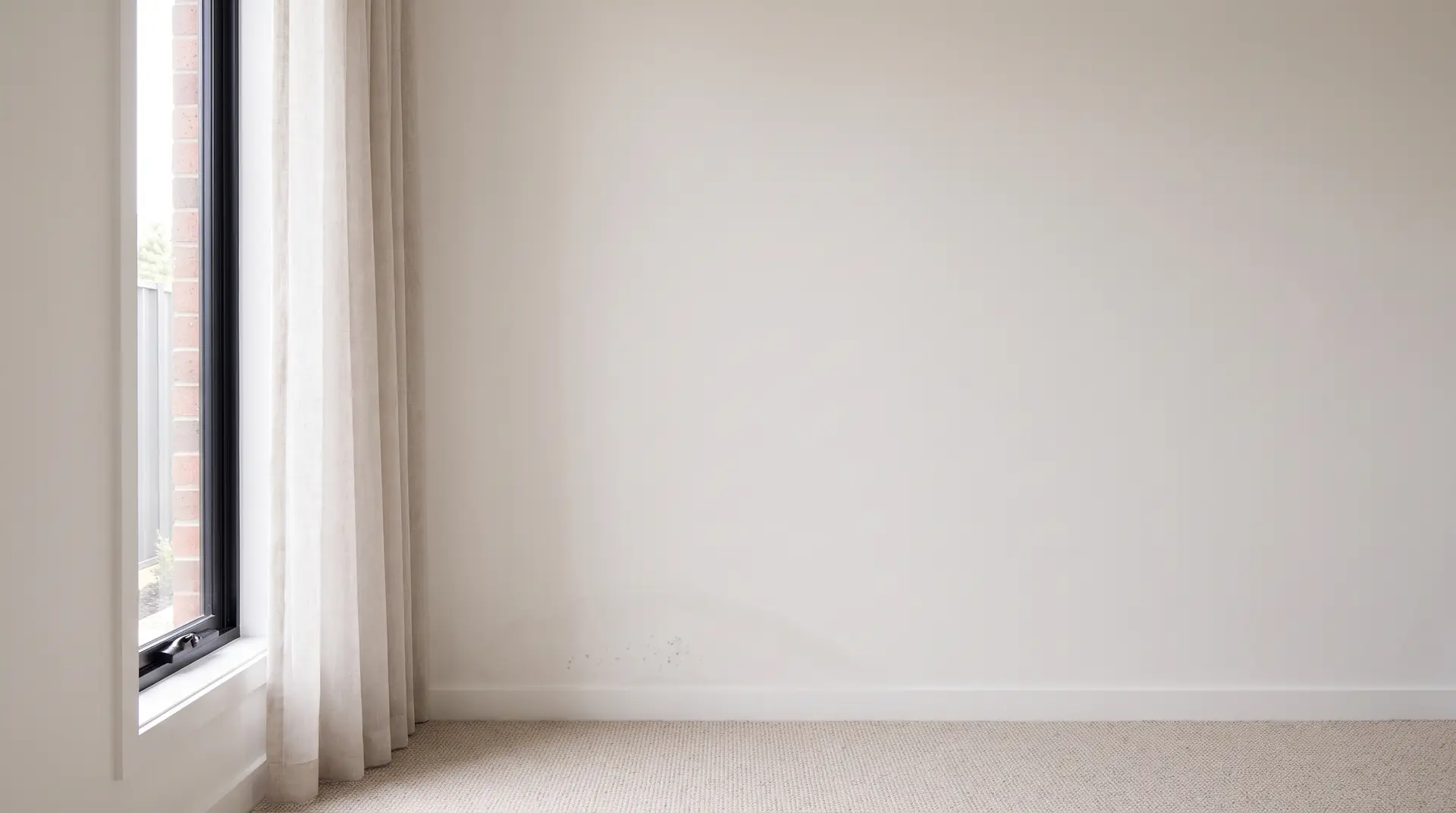
The first is that you noticed something. A smell, a stain, condensation, peeling paint or a fan that does not work are all reasons to look closer, and the next section lists them. You do not need to be sure.
The second is the kind of home. Damp is more common in some homes than others: older weatherboards on low stumps with little subfloor ventilation, period homes with solid brick walls, apartments with sealed windows and limited airflow, homes with rooms below ground level or cut into a slope, and homes that have been closed up for a while. None of these means a home has a problem. They mean the question is worth asking.
The third is that a building and pest check before buying has already noted moisture, staining, poor ventilation or drainage, and you want a closer look at the cause before you decide what the finding means for you.
If you saw nothing, the home is not of a type where damp is common and the pre-purchase report is quiet on moisture, a separate mould inspection may not add much. The decision, and the money, are yours.
What signs at an open inspection should make you look closer?
You cannot move furniture or lift carpet at an open, but you can use your eyes and nose. Signs worth noting include:
- A musty or earthy smell, particularly in cupboards, bedrooms, bathrooms, or when you first walk in after the house has been closed up.
- Dark spots or speckling on ceilings and in the corners of rooms, and a black line along window frames and sills.
- Bubbling, flaking or peeling paint, and staining on plaster close to the floor, which can be a sign of moisture rising from the ground.
- Tide marks or white salts on brickwork, swollen skirting boards, and floor coverings that are lifting at the edges.
- Fresh paint on one ceiling or in one room only, especially a bathroom or laundry.
- Condensation on windows, a dehumidifier running, a strong air freshener, and exhaust fans that are missing or do not work.
- Outside, gutters that overflow, downpipes that are disconnected, ground that slopes towards the house, garden beds built against the walls, and subfloor vents that are blocked.
Our guide on why mould keeps appearing in a home explains where each of these comes from. At the open, you can also ask the agent whether there have been leaks or repairs, and read the vendor's statement with your conveyancer or lawyer for anything disclosed about water damage.
Does a pre-purchase inspection already cover mould?
Partly. A pre-purchase inspection is a visual look at the accessible areas of the home and it records visible mould, staining and signs of water entry where they can be seen, along with conditions that make timber pest activity more likely, such as excess moisture. Where something needs a closer look, the report can recommend it. Our guide on what a pre-purchase inspection covers sets out the scope.
A mould inspection goes further on one question: where is the moisture coming from, and why? It spends its time on ventilation, drainage, the roof space, the subfloor and the outside of the home, and the report explains likely causes and practical next steps.
If you are buying an apartment or unit, the source may be in common property, such as a leak from a lot above or a balcony, so an apartment and common property report and a mould inspection can sit together. The two inspections can often be arranged as one visit. Tell us when you enquire that you want both, and what you noticed, and we will confirm the scope.
What does a mould inspection look at in a home for sale?
The inspection is a visual, non invasive look at the accessible areas. Inside, we look at walls, ceilings, floors, windows and cupboards for visible mould, staining and damp patches, and at bathrooms, laundries and kitchens for ventilation, such as exhaust fans and openable windows.
We look for signs of where moisture may be coming from: condensation on cold surfaces, roof or gutter leaks, plumbing leaks, water getting in around windows, or damp coming up from the ground. The roof space and the subfloor are inspected where there is safe and reasonable access, because that is often where the cause shows first. Outside, we look at gutters, downpipes, drainage and the ground levels against the walls.
Nothing is opened up and nothing is tested or treated on the day. If sampling or laboratory testing is needed for your situation, we can talk about arranging it when we confirm the scope. Our guide on what a mould inspection involves walks through the visit step by step.
What can the report tell you, and what can it not?
You receive a written report describing where visible mould and signs of moisture were observed at the time of the inspection, with photos, the likely causes based on what could be seen, practical next steps, and a clear list of areas that could not be inspected and why.
As a buyer, that gives you three things: questions to put to the agent, items to raise with your conveyancer, and a sense of the likely scale of the work. A disconnected downpipe is a small job. Moisture rising through solid brick walls, or a roof that has been leaking for a long time, is a different conversation, and it may be worth having a licensed plumber, a roofer or a builder quote the work before you commit.
The report cannot do several things. It is not a health or medical assessment; it describes the building, not anyone's health, and health questions go to a doctor.
It cannot see inside walls, under floor coverings or behind fixed cabinetry, and it cannot confirm that a home is free of mould. It does not advise you on whether to buy or what to pay. And likely causes are based on what was visible; confirming and fixing a cause may need a licensed tradesperson.
Conditions change with the seasons. A home inspected in a dry month may show less than the same home in winter, so read the signs you noticed alongside the report, not instead of it.
How do you fit a mould inspection into a purchase?
Timing follows the sale. If you are buying at auction, the inspection needs to happen before auction day. In a private sale, you may be able to make the contract subject to an inspection, or use a cooling off period; your conveyancer or lawyer can tell you what applies to your contract. Tell us your key date when you enquire and we will let you know what can be arranged.
Access is arranged through the selling agent. Tell us what you noticed and where, so we can plan the visit around it, and let us know whether you want the mould inspection on its own or alongside a pre-purchase inspection. Afterwards, we can talk you through the report.
The decision to buy stays with you. Not sure which inspection you need? Ask us. Call or WhatsApp 0406 194 163, or send an enquiry and we will come back to you.
Sources and authorities
These public sources set out the context this guide refers to. They are the places to confirm what applies to you; we help you understand and prepare for it.
- Better Health Channel: Victorian Government health information, including mould in the home. Health questions go to a doctor.
- Consumer Affairs Victoria: consumer guidance on buying a home in Victoria, including the vendor's statement.