Why does the suburb change what an inspection looks for?
A property inspection is a visual look at the accessible parts of a home on the day. The scope is similar wherever the home is, but the questions worth asking first are not. A weatherboard cottage with a shared fence line, an apartment on a high floor and a new house on a freshly cut estate block each have their own likely weak points, and the suburb is a strong clue to which of them you are dealing with.
The suburb also tells you which council you will be talking to, and the council's planning scheme sets out the overlays that can change what is permitted on a block. Heritage, flood, bushfire and vegetation overlays are the common ones. None of this replaces looking at the property itself, but it shapes what we look for and what we ask you about before we arrive.
This guide walks through the things that genuinely change from one suburb to the next, then takes a short look at each of the fourteen suburbs we list as service areas. For the full list and a coverage check, see our service areas page.
How does the age of the housing change the inspection?
Period homes, from Victorian terraces through Edwardian villas to interwar bungalows, tend to raise questions about moisture and movement. Timber floors over a subfloor, older brick footings, original roof framing and decades of alterations all deserve attention, and the roof space and subfloor are often where the most useful observations come from. Many of these homes have been extended more than once, so we also look at how the old and new parts meet.
Post war homes, the brick veneer and weatherboard houses that fill many middle suburbs, bring their own list. Many homes built before about the end of the eighties may contain materials with asbestos, so sheeting, eaves linings and old wet area walls are worth identifying before any renovation. Only testing of a sample confirms whether a material contains asbestos. Damp in older weatherboards and worn roof plumbing are common questions too.
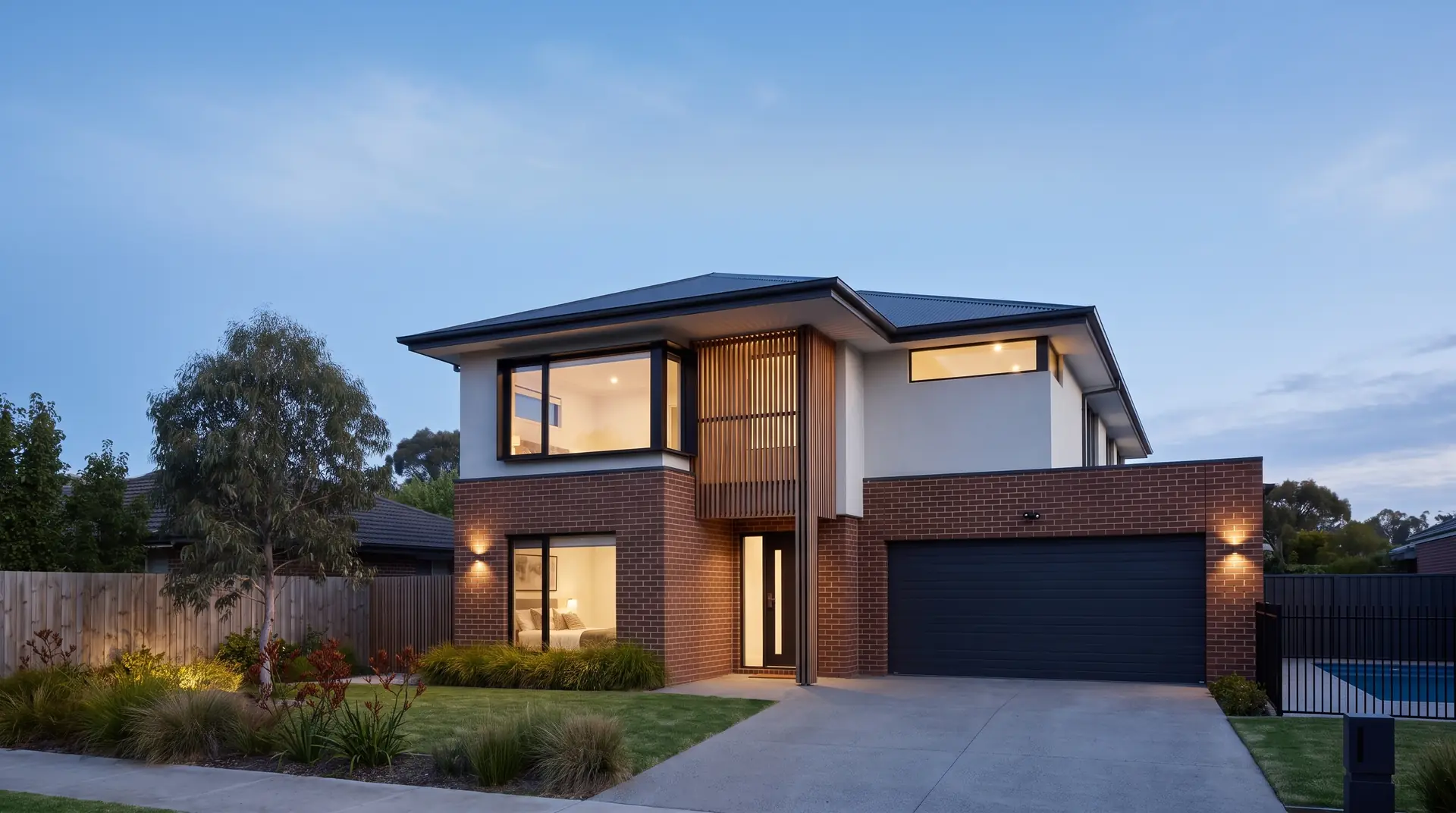
Newer homes shift the focus again. Townhouses and estate houses are inspected for unfinished or defective work, for drainage, retaining walls and fences, and for early signs of movement. Here the distinction matters most: the mandatory inspections for a building permit belong to the relevant building surveyor, and an independent inspection you commission is separate and does not replace them.
How does the property type change what you need?
A freestanding house on its own title is the simplest case. The whole building and the grounds are yours to inspect, and a pre-purchase inspection covers the home and visible signs of timber pest activity in one visit.
An apartment, unit or townhouse in an owners corporation is different. The owners corporation manages the common property, keeps records a buyer can ask to see, and has a say in changes to a lot. For these, a strata and owners corporation report looks at the lot, the common areas you can reach and the owners corporation papers. The building's condition matters as much as the apartment's, and the minutes often tell you what the walls cannot.
Land, acreage and semi rural property raise a third set of questions, about access, water supply, septic systems, sheds, dams and what the overlays allow. In growth areas, a block with nothing on it still has a soil type, a drainage pattern and a set of estate conditions worth understanding before you build.
Which permits and overlays depend on your council?
Across Victoria, planning permits are issued by the council and building permits by a building surveyor. Many projects need one, some need both and some need neither; the council and the building surveyor confirm which applies to your project. Our guide to which permits apply to building work in Victoria explains the two systems in plain language, and our permits and approvals service helps you understand what the relevant authority is likely to ask for.
The local layer is the council's planning scheme and its overlays. A heritage overlay can affect what you may change on the outside of a home and sometimes what you may demolish. A flood or inundation overlay can affect floor levels and drainage. A bushfire related overlay can affect materials and siting. A vegetation overlay can affect which trees may be removed.
The same deck or extension can need a planning permit on one street and not on the next, so always check your own block with your council rather than relying on what a neighbour was told.
What is different in each of our suburbs?
The notes below are general observations about the housing in each area, written to help you ask the right first question. They are not a description of any particular property, and they never tell you which overlays apply to your block. Your council does that.
The inner city
Melbourne CBD, in the City of Melbourne, is almost entirely apartments and mixed use buildings run by owners corporations, including older buildings converted to apartments. Construction nearby is common and many owners are investors, so condition records, strata papers and a clear answer when moisture or cracking appears are the usual needs. Changes to a lot can involve the owners corporation as well as the council. Start with our Melbourne CBD page.
Brunswick, in Merri-bek City Council, mixes Victorian and Edwardian terraces with shared walls, warehouse conversions and newer apartments. Heritage controls apply on many streets, blocks are often narrow with laneway access, and neighbours of apartment construction frequently ask about dilapidation reports.
Footscray, in Maribyrnong City Council, has Victorian and Edwardian homes, older walk up apartments and new towers side by side. Former industrial land nearby makes site history worth asking about, and road and rail projects over the years have changed the surroundings of some streets.
The east
Camberwell, in the City of Boroondara, is known for period homes on generous blocks, from Edwardian houses to interwar bungalows. Heritage overlays are common, so extensions and demolition often come with planning questions, and some gardens have older in ground pools with barrier requirements of their own. See our Camberwell page for the local picture.
Box Hill, in the City of Whitehorse, is changing fast: apartment towers and townhouses beside older brick homes, with knockdown rebuilds and subdivisions common. Buyers often weigh an older house against a new townhouse, and neighbours of large builds ask about recording their property before works start.
Ringwood, in Maroondah City Council, is established outer east, with many homes from the decades after the war on larger, often sloping and treed blocks. Timber decks and pergolas are common, and some land on the outer edges may carry bushfire related overlays.
The north
Preston, in the City of Darebin, has many post war weatherboard and brick homes, often extended, with dual occupancy and townhouse development increasing. Older materials, including asbestos cement sheeting, are possible, and damp in older weatherboards is a common question. Our Preston page sets out what owners there ask us most.
Coburg, also in Merri-bek City Council, has Edwardian and interwar brick and weatherboard homes, renovations and rebuilds on standard blocks, and townhouse infill. Whittlesea, in the City of Whittlesea, is a township with semi rural and acreage property around it and new estates elsewhere in the municipality, so water supply, septic systems, sheds, dams and access may all apply, and bushfire related overlays are possible on some land.
The west
Werribee, in Wyndham City Council, combines an established centre with large growth estates, which means many new builds and handovers. Soils in parts of Melbourne's west are often reactive clay that moves with moisture, and fences, retaining walls and drainage in new estates are regular questions, as are new rentals bought by investors. Our Werribee page has more.
Sunshine, in Brimbank City Council, has post war homes on large blocks with townhouse redevelopment, materials from the fifties and sixties, and some low lying land near waterways that may carry overlays. Williamstown, in Hobsons Bay City Council, is a bayside heritage suburb of weatherboard and brick period homes, with heritage overlays and the salt air and coastal weathering that come with the location.
Bayside
Brighton, in Bayside City Council, has larger homes, common pools, knockdown rebuilds, heritage pockets and mid century homes being renovated. Frankston, in Frankston City Council, has many homes from the decades after the war on larger blocks, beach houses and sleepouts in older stock, pools and decks, older unit blocks and homes being renovated for rental. In both, pool and spa barriers come with registration and inspection requirements that the owner confirms with the council.
How do you check your own block before you book?
A few minutes before you enquire can save a second visit. Find out which council the property sits in and ask the council, or your conveyancer, which overlays apply. If the property is in an owners corporation, gather the owners corporation certificate, recent minutes and the rules. If it is a new home, find the handover date and the building permit details. If it is an older home, note any past renovations, previous reports and anything you have already noticed.
Then tell us the address, the property type and what you are trying to find out. Coverage beyond the fourteen listed suburbs is confirmed per enquiry, and a dead end is never the answer: if we cannot help, we say so and point you to who can. Call or message us on 0406 194 163, or send an enquiry and we will come back to you.
Sources and authorities
These public sources set out the requirements this guide refers to. They are the places to confirm what applies to your property; we help you understand and prepare for them.
- Planning Victoria: planning permits, planning schemes and overlays in Victoria.
- Building and Plumbing Commission: Victoria's building regulator, with guidance on building permits, building surveyors and mandatory inspections.